
The One Habit That Instantly Improves Your Hockey Card Collection Value

Quick Tip
Protect and document every hockey card immediately after acquiring it to maximize long-term value and resale potential.
Most collectors obsess over what to buy next. That’s fine—but it’s not what separates a sharp collection from a messy one. The single habit that consistently boosts both value and long-term appeal is brutally simple: document and protect every card the moment it enters your collection.
It sounds boring. It’s not. This one habit quietly compounds—turning average pickups into clean, traceable, high-confidence assets that buyers (and grading companies) take seriously.
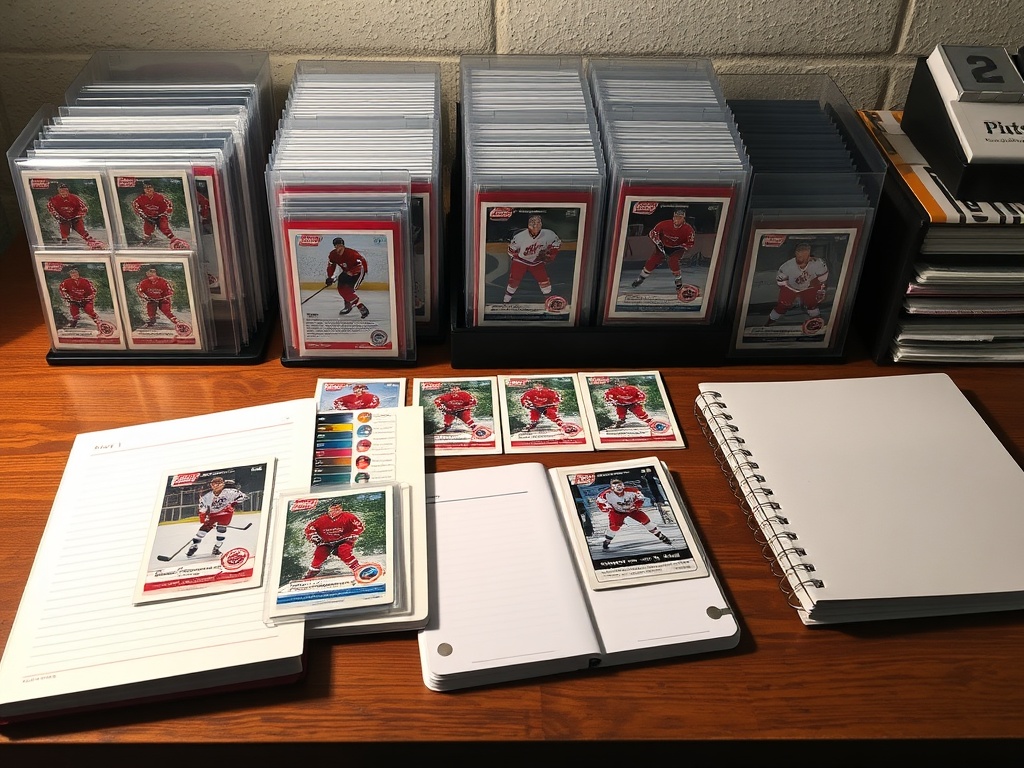
Why This One Habit Beats Chasing Big Hits
I’ve watched collectors spend thousands chasing the next rookie breakout, only to store those cards loosely, skip documentation, and forget where they even bought them. That’s how value leaks out of a collection.
Condition, provenance, and presentation drive value just as much as the player on the front. A mid-tier card that’s flawlessly preserved and well-documented will often outperform a bigger name that’s been mishandled.
This habit forces discipline in three areas:
- Condition control — you prevent damage immediately
- Ownership tracking — you know what you paid and when
- Liquidity readiness — you can sell fast without scrambling
Collectors who do this consistently aren’t guessing—they’re operating like asset managers.
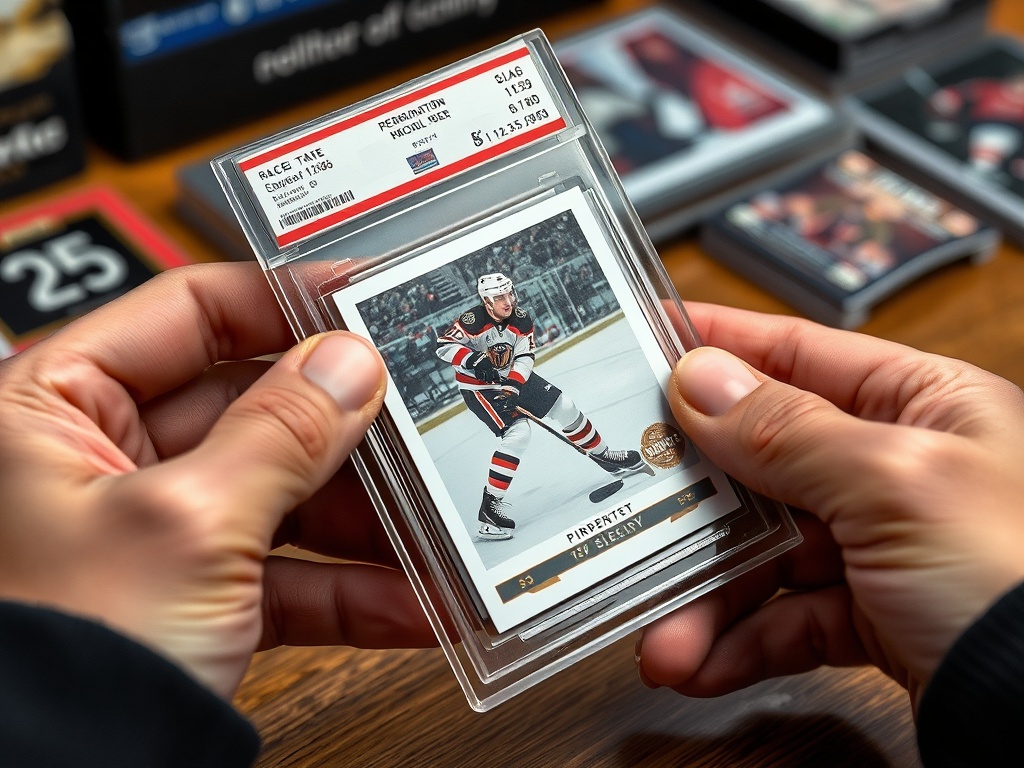
The System (Simple, Repeatable, No Excuses)
Here’s the exact process. No overthinking.
Step 1: Sleeve Immediately
The second a card is in your hands, it goes into a penny sleeve. Not later. Not “after I sort.” Immediately.
This prevents surface scratches and edge wear—the kind of damage you don’t notice until it’s too late.
Step 2: Top Loader or Semi-Rigid
For anything remotely valuable, follow up with a top loader or a semi-rigid holder. This protects corners and keeps the card structurally stable.
Step 3: Log the Card
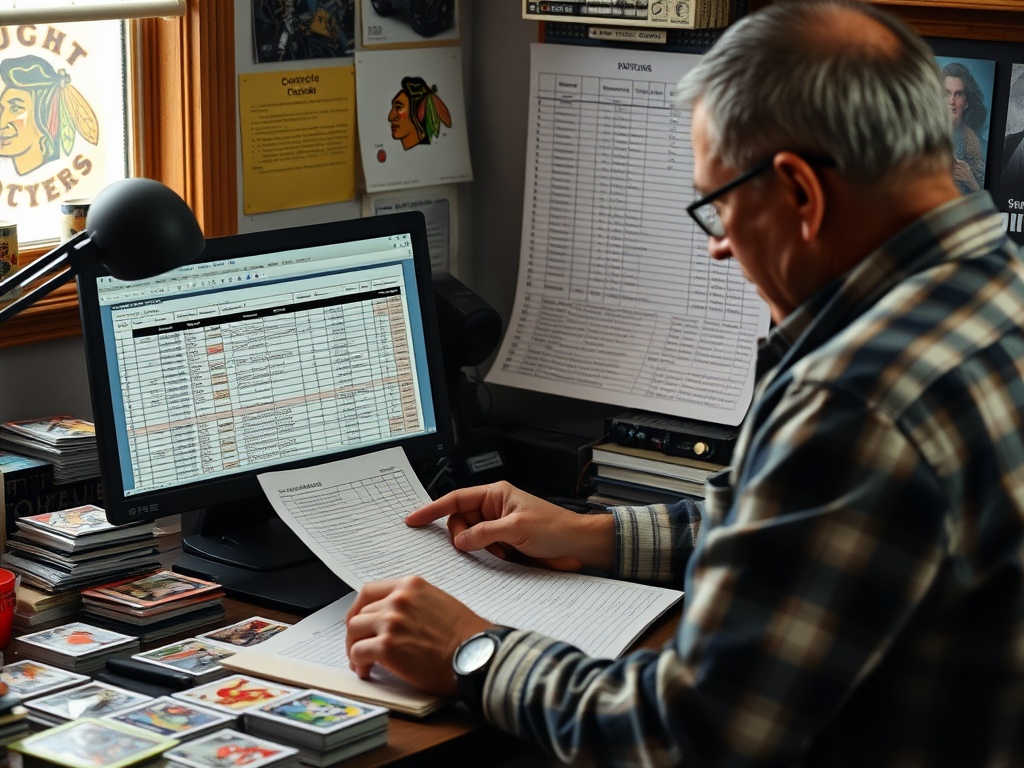
This is where most collectors fail. Create a simple log (spreadsheet or notebook) with:
- Player name
- Set and year
- Purchase price
- Date acquired
- Condition notes
This takes 30 seconds and pays off massively when you evaluate your collection later.
Step 4: Assign a Storage Spot
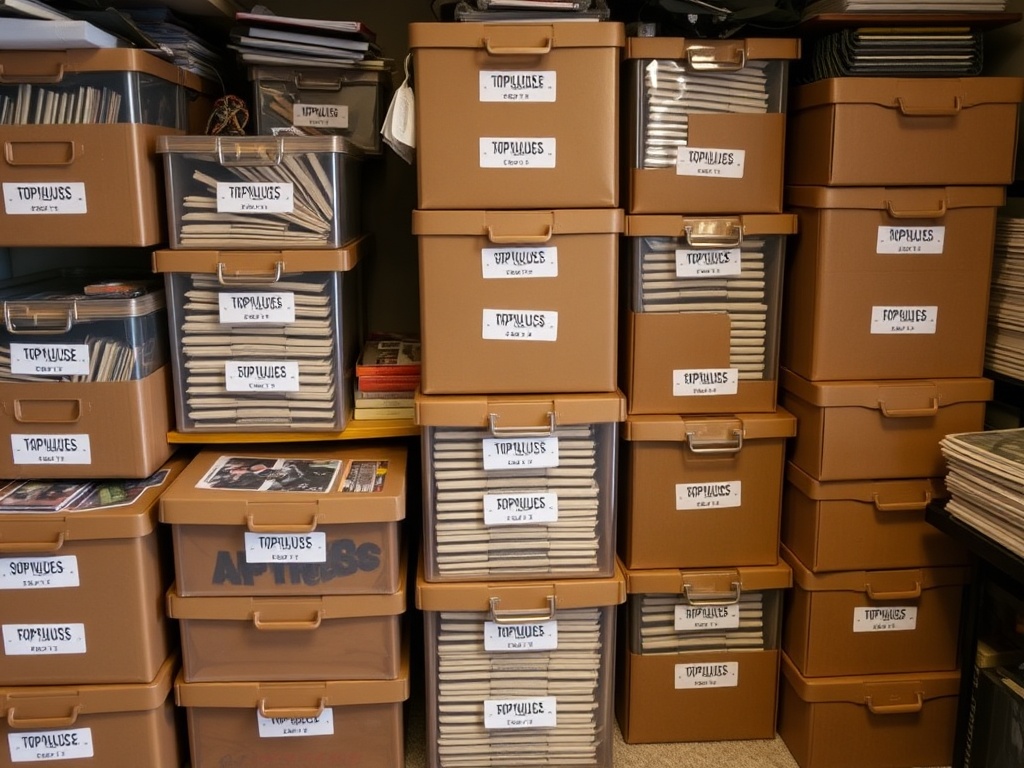
Every card gets a home. Box, binder, or display case—just not “somewhere safe.” That phrase kills collections.
What Most Collectors Get Wrong
Let’s be blunt—most people sabotage their own collections in predictable ways:
- Handling raw cards too much — fingerprints and micro-scratches add up
- Mixing valuable and bulk cards — one bad shuffle damages everything
- No pricing records — you forget your cost basis
- Delaying protection — "I’ll sleeve it later" never happens
None of these are dramatic mistakes. That’s the problem. They quietly erode value over time.
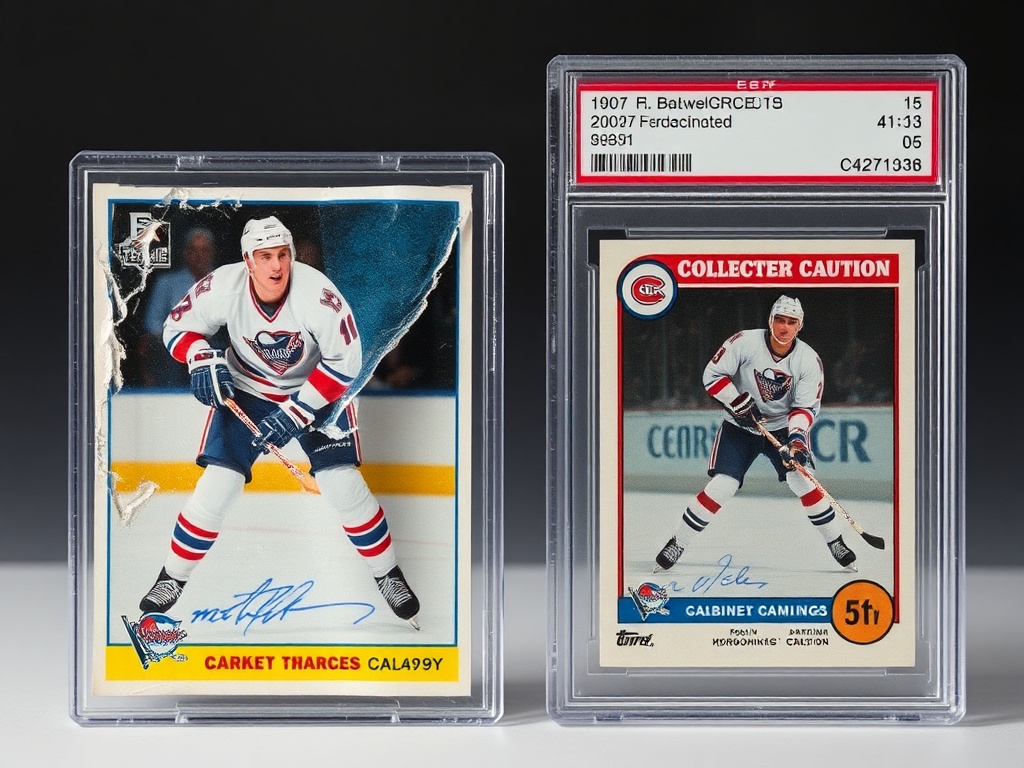
How This Habit Increases Real Dollar Value
This isn’t about feeling organized—it translates directly into money.
Here’s how:
- Higher grading outcomes — better protection = better condition
- Faster resale — documented cards sell quicker
- Stronger buyer trust — clean presentation signals professionalism
- Portfolio awareness — you know when to sell or hold
Buyers aren’t just buying a card—they’re buying confidence. Your system creates that confidence.
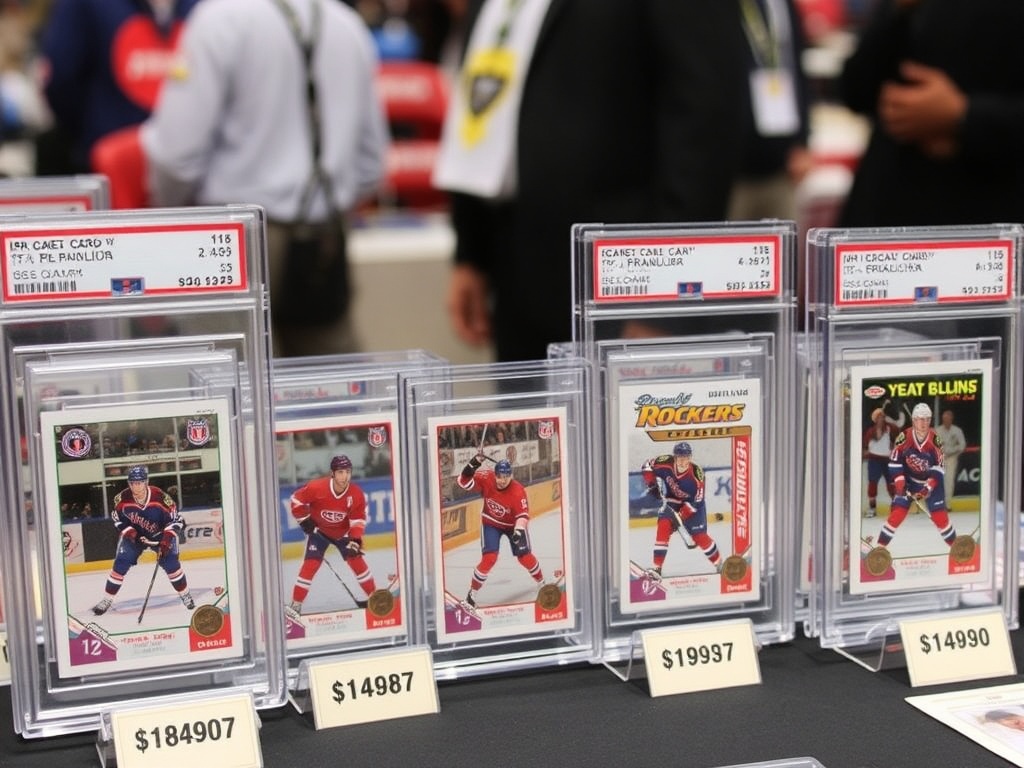
Turning a Casual Collection Into a Serious One
The difference between a casual collector and a serious one isn’t budget—it’s process.
You can build a respected, valuable collection without chasing every hyped release. But you can’t do it without consistency.
This one habit forces you to slow down, handle cards properly, and think long-term. Over months and years, that compounds into something noticeable: cleaner cards, better organization, and a collection you can actually evaluate.
It also changes how you buy. When you know you’ll log and protect every card, you become more selective. That alone improves quality.
Keep It Simple (That’s the Advantage)
You don’t need expensive software, custom cases, or a museum setup.
You need consistency.
A stack of sleeves, a box of top loaders, and a basic tracking system will outperform fancy setups used inconsistently.
Collectors love to overcomplicate things. The edge comes from doing simple things every single time.
If you adopt this habit today, your collection will look noticeably better in a month—and significantly more valuable in a year.
That’s the whole game.