The Complete Guide to Buying Hockey Cards: What Actually Matters in 2026

If you’ve spent even a few minutes browsing hockey cards online lately, you’ve probably noticed something: there’s more noise than signal. New releases, flashy parallels, “can’t miss” rookies — it adds up fast. This guide cuts through that. No hype, just what actually matters when you’re buying hockey cards in 2026.
Understand What You’re Actually Buying
Not all hockey cards are created equal. That sounds obvious, but most beginners — and plenty of experienced collectors — still get tripped up here.
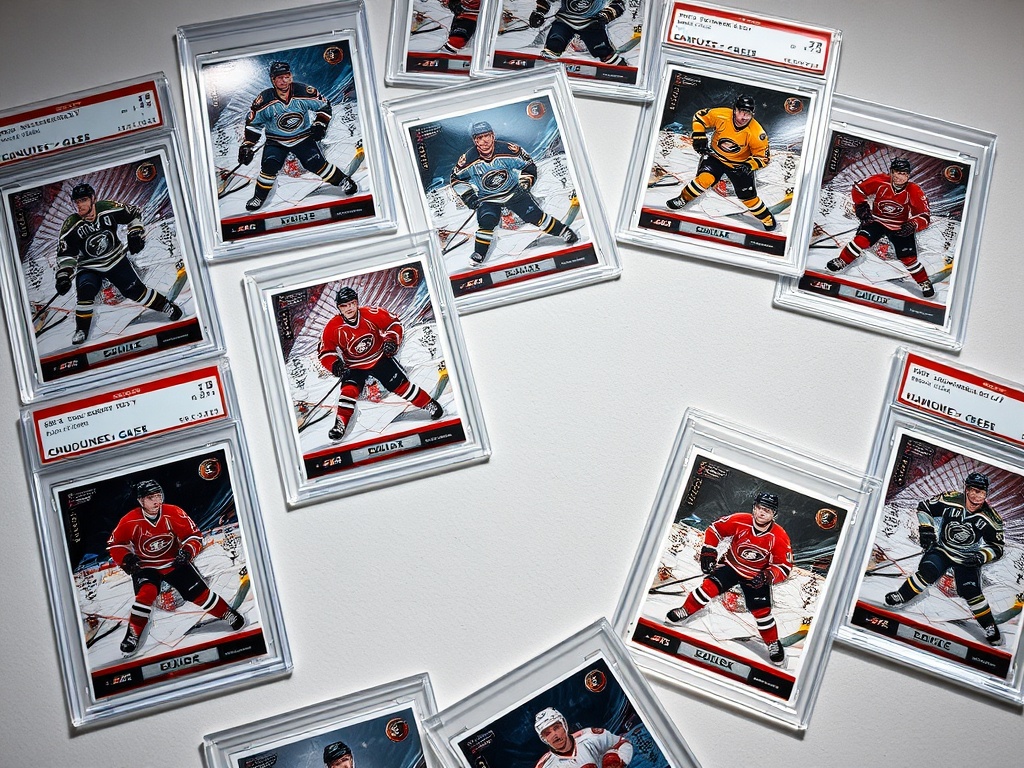
There are three main buckets: base cards, inserts/parallels, and hits (autographs, patches, and rare variants). Base cards are the backbone of any set, but they rarely carry long-term value unless they’re iconic rookie-year issues.
Parallels and inserts add scarcity and visual appeal. Some are overproduced, others genuinely limited. The difference matters. A numbered card (/25 or less) typically holds stronger value than a flashy but mass-produced insert.
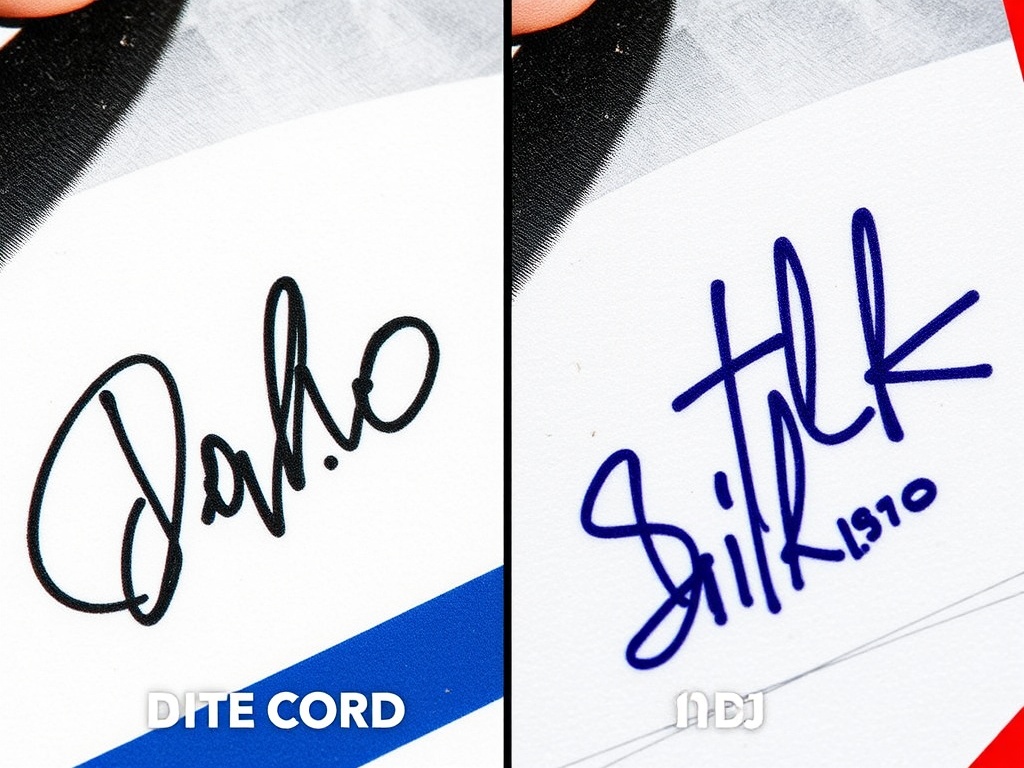
Hits are where most collectors focus — especially autographed rookie cards. But even here, not all hits are equal. Sticker autos vs. on-card autos, event-worn patches vs. game-used — these details directly affect value.
Rookie Cards Still Drive the Market
Nothing has changed here: rookie cards are still the backbone of hockey card collecting. But what counts as a “true rookie” has gotten more complicated.
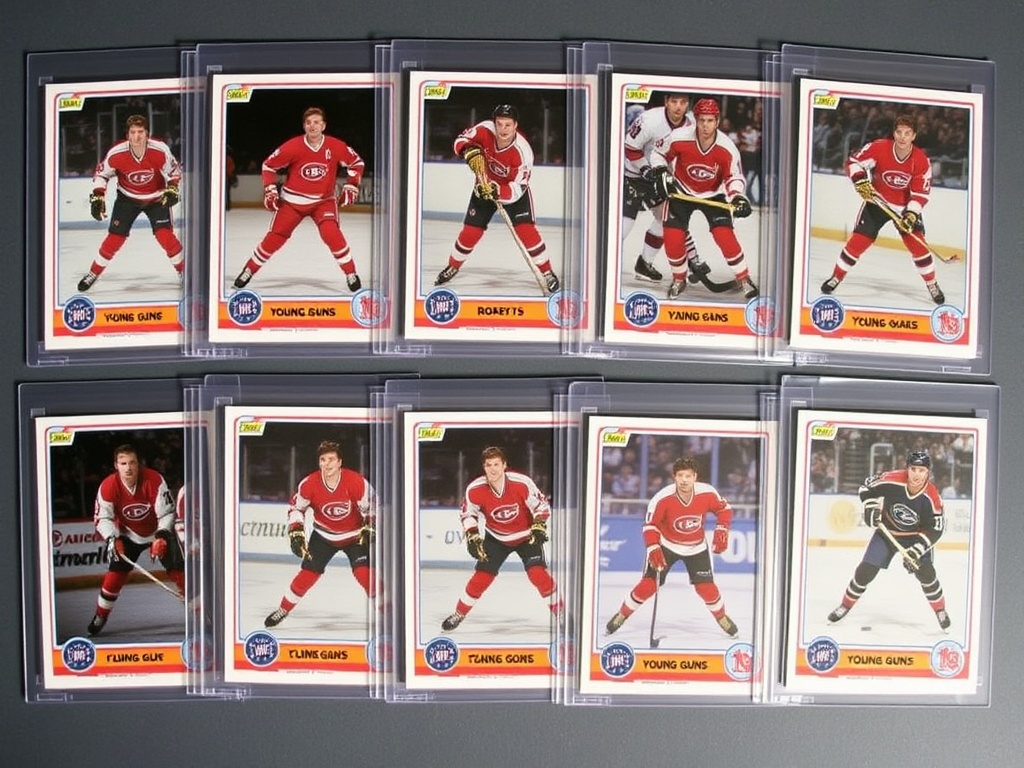
In most cases, collectors still prioritize flagship rookie cards — especially from sets like Upper Deck Series 1 and 2 (Young Guns). These have a long track record of holding value and liquidity.
Prospect cards, pre-rookie releases, and minor league issues can be fun, but they’re far more volatile. If you’re buying with any thought of resale, stick with widely recognized rookie definitions.
Also: don’t chase every rookie. Focus on players with clear upside — top-line minutes, power play usage, and long-term role stability. Hype fades quickly in this hobby.
Condition Is Everything (Even More Than You Think)
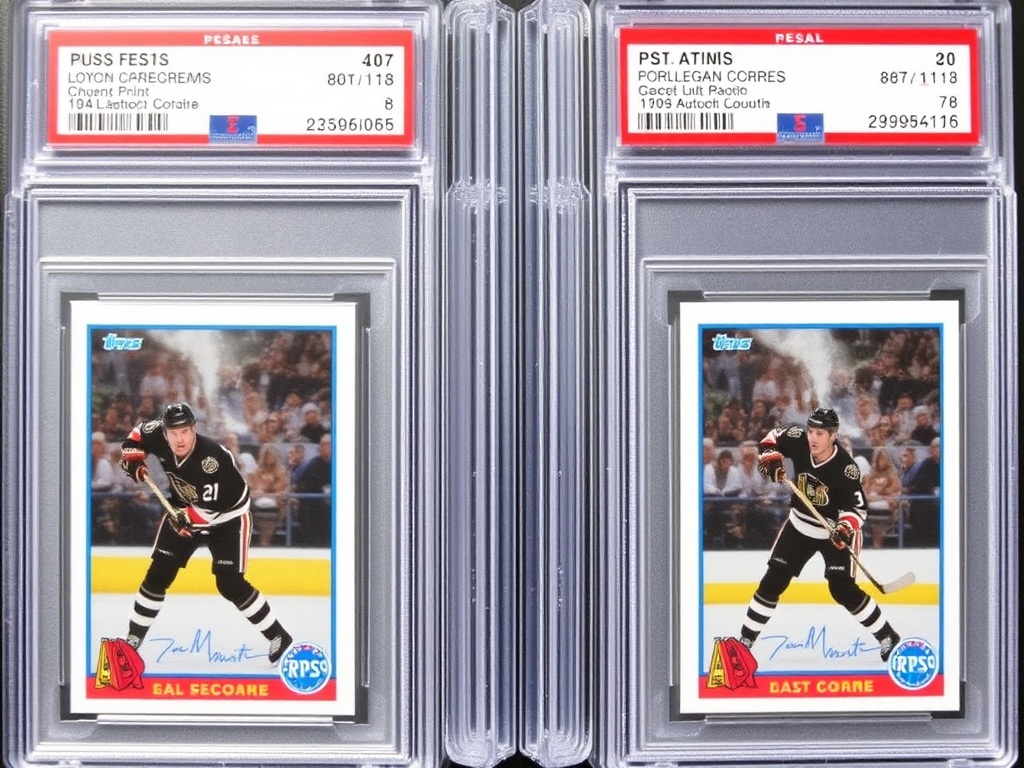
A card’s condition can swing its value dramatically. The difference between a PSA 10 and a PSA 9 can be hundreds or even thousands of dollars depending on the card.
Raw cards are tempting because they’re cheaper, but they come with risk. Surface scratches, soft corners, centering issues — these are often invisible in photos and can tank grading results.
If you’re buying raw with the intent to grade, be selective. Look for sharp corners, clean edges, and strong centering. If you’re not confident, it’s often safer to buy already graded cards.
And yes, grading still matters in 2026. It’s not everything, but for higher-end cards, it remains a key trust signal.
Set Matters More Than Most People Admit
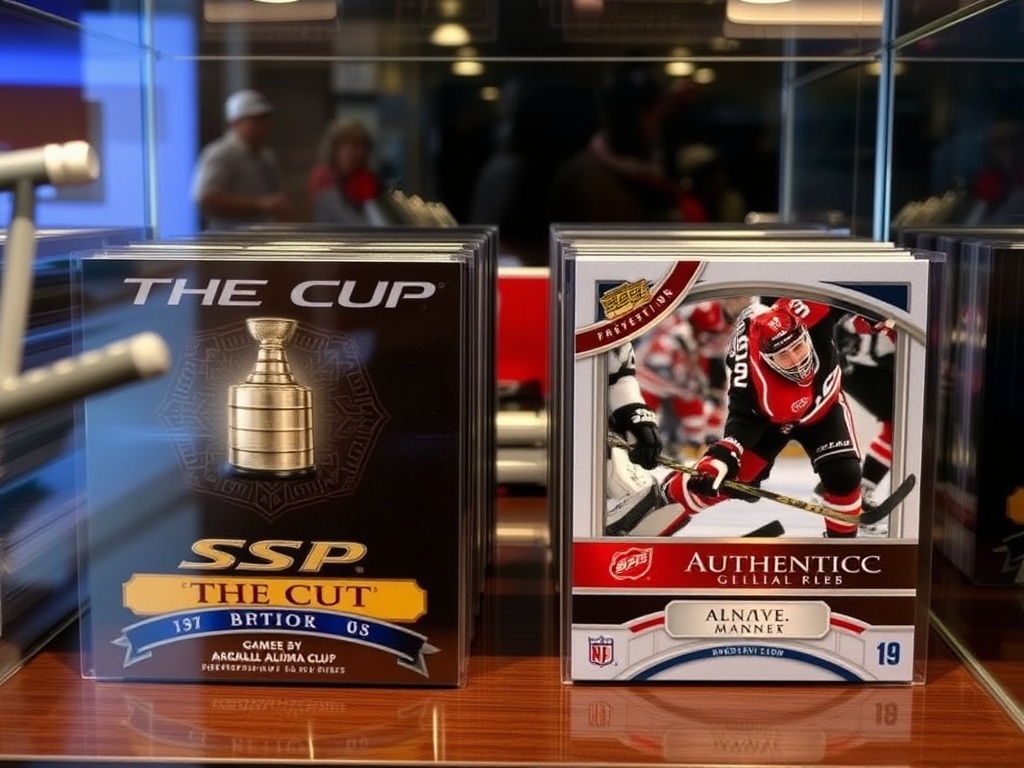
Some sets just carry weight. Upper Deck flagship, The Cup, SP Authentic — these aren’t just brands, they’re ecosystems with built-in collector demand.
Buying a great player from a weak set often underperforms compared to buying a good player from a strong set. That’s counterintuitive, but it shows up again and again in sales data.
Before you buy, ask yourself: does this set have a track record? Is there consistent demand? Are collectors actively chasing it year after year?
If the answer is no, you’re probably speculating — not collecting.
Know the Difference Between Scarcity and Gimmicks
Modern card companies are very good at creating the illusion of rarity. Gold foil, neon patterns, “exclusive” parallels — they look rare, but many are produced in large quantities.
True scarcity is measurable. Serial-numbered cards, especially low-numbered ones (/99, /50, /25, /10), carry real weight. Short-printed cards (SPs and SSPs) can also be valuable, but only if collectors actually care about them.
If you can’t easily explain why a card is rare, it probably isn’t.
Where You Buy Matters
The marketplace you use can impact both price and risk. Online platforms offer convenience and selection, but they also come with inconsistent descriptions and photos.
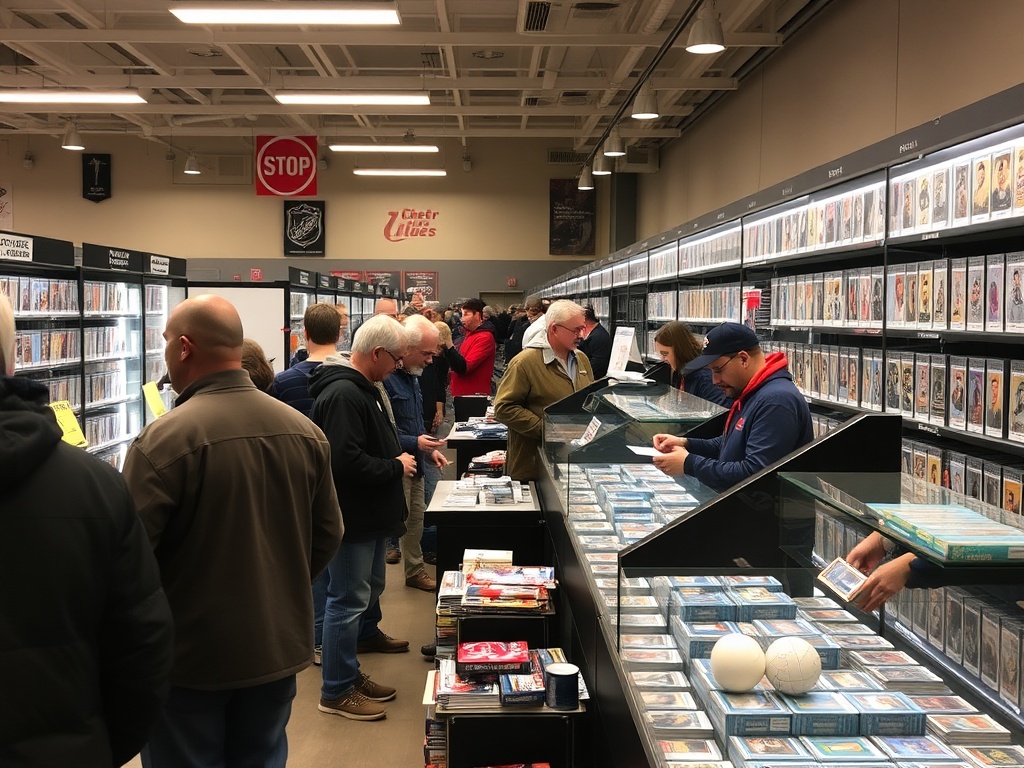
Local card shops and shows offer something different: the ability to inspect cards in person and build relationships. That’s undervalued in a hobby that increasingly lives online.
If you’re buying higher-end cards, don’t rush. Compare listings, check recent sales, and be patient. The best deals rarely come from impulse buys.
Build a Strategy (Not Just a Collection)
The biggest mistake I see collectors make is buying randomly. A little of everything, no clear direction.
Decide what kind of collector you want to be. Are you building a player PC (personal collection)? Chasing rookies? Investing in long-term holds? Flipping short-term hype?
Each approach requires different buying decisions. Mixing them without a plan usually leads to overspending and frustration.
A simple strategy beats a complicated one. Pick a lane, then refine it over time.
Timing the Market (Without Overthinking It)
Yes, timing matters — but not in the way most people think.
Buying during peak hype (playoff runs, rookie buzz, breakout streaks) almost always means paying a premium. Selling into hype is smart. Buying into it is risky.
Offseason periods, injuries (short-term), and cold streaks can create buying opportunities — if you believe in the player long-term.
You don’t need perfect timing. You just need to avoid the obvious mistakes.

Final Thoughts: Buy What Holds Up Over Time
Trends come and go in this hobby. What sticks is surprisingly consistent: strong rookie cards, trusted sets, real scarcity, and solid condition.
If you focus on those four pillars, you’ll make better buying decisions — and you’ll enjoy your collection a lot more.
The rest? That’s just noise.